
Univsersity of Canberra


Sotiris Vardoulakis is Professor of Environmental Public Health at the University of Canberra, Director of the HEAL (Healthy Environments And Lives) National Research Network, and Adjunct Professor at the Indian Institute of Technology Madras. He is co-Director of the Clean Air and Planetary Health in Asia (CEPHA) Network and the Clean Energy for Healthy Environments And Lives (CE4HEAL) partnership. Previously he was Director of Research and Head of the WHO Collaborating Centre on Occupational Health at the Institute of Occupational Medicine in Edinburgh, and before that Head of the Environmental Change Department at Public Health England. He also held academic positions at the Australian National University, the London School of Hygiene and Tropical Medicine, and the University of Birmingham. Professor Vardoulakis’ main research interests include climate change, air pollution and health, sustainable cities, exposure assessment, health impact assessment, environmental epidemiology, and public health communication and policy. He was one of the lead authors of the first UK Climate Change Risk Assessment and contributor to the National Adaptation Programme. He served as a member of the National Institute for Health and Care Excellence (NICE, UK) Public Health Advisory Committee on Air Pollution and of the Royal College of Paediatrics and Child Health Working Group on Indoor Air Quality. He is a currently a Coordinating Lead Author of the UNEP Global Environmental Outlook (GEO-7) Air Chapter
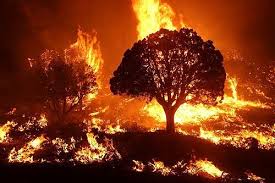
Climate change is increasing the frequency, intensity and duration of extreme wildfires in Southeast Asia and Australia. Smoke haze pollution from wildfires and agricultural activities exacerbate respiratory and cardiovascular illness, causing premature deaths and disproportionately impacting women, children, and Indigenous/ethnic minorities and remote communities. Transboundary smoke haze and its associated effects on human health are shared problems requiring interventions to be implemented across international jurisdictions. The causes of smoke haze are also deeply entrenched in local social, political, industrial and economic systems. Policy making and community engagement are, hence, essential for effective adaptation and mitigation interventions. The CANBREATHE and HEAL-HAZE projects, led by the HEAL Global Research Centre (University of Canberra), apply climate attribution and chemistry-transport modelling, as well as storylines, to assess the influence of climate change on the risk and characteristics of extreme wildfires and related smoke haze exposure in five heavily affected regions of Southeast Asia and Australia. Clean air interventions are also tested in schools and households in these regions to develop targeted public health advice and co-design innovative health protection communication tools
© 2026 11th INDIAN INTERNATIONAL CONFERENCE ON AIR QUALITY MANAGEMENT
