Indian International Conference
on Air Quality Management
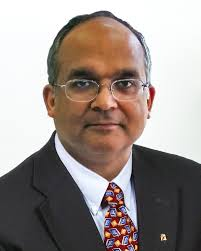
Atul M. Salhotra
Edge Engineering and Science
About the Speaker
Atul M. Salhotra Ph.D
Dr. Atul Salhotra is a Senior Consultant at Edge Engineering and Science, LLC, Houston, USA, with almost 40 years of post-graduate consulting and teaching experience in the development and site-specific implementation of risk-based standards in the US and other countries.Dr. Salhotra holds a Ph.D. in Environmental Modeling (1986) from the Massachusetts Institute of Technology, Cambridge, USA and an M.tech in Water Resources Development (1981) from the Asian Institute of Technology, Bangkok. He earned his Bachelor’s degree in Civil Engineering (1979) from Indian Institute of Technology, Delhi, India.
He is the lead author, project manager, and developer of Risk-Based Corrective-Action (RBCA) Programs for numerous states, the U.S. Air Force in Europe (USAFE), and the Israel Ministry of the Environment. Dr. Salhotra is well versed in the site-specific application of risk assessment, evaluation of indoor vapor intrusion, natural attenuation, and fate and transport modeling for the cost-effective management of sites.
MITIGATING AIR POLLUTION IN THE DELHI NATIONAL CAPITAL REGION: A DESI PROBLEM
REQUIRING DESI SOLUTION
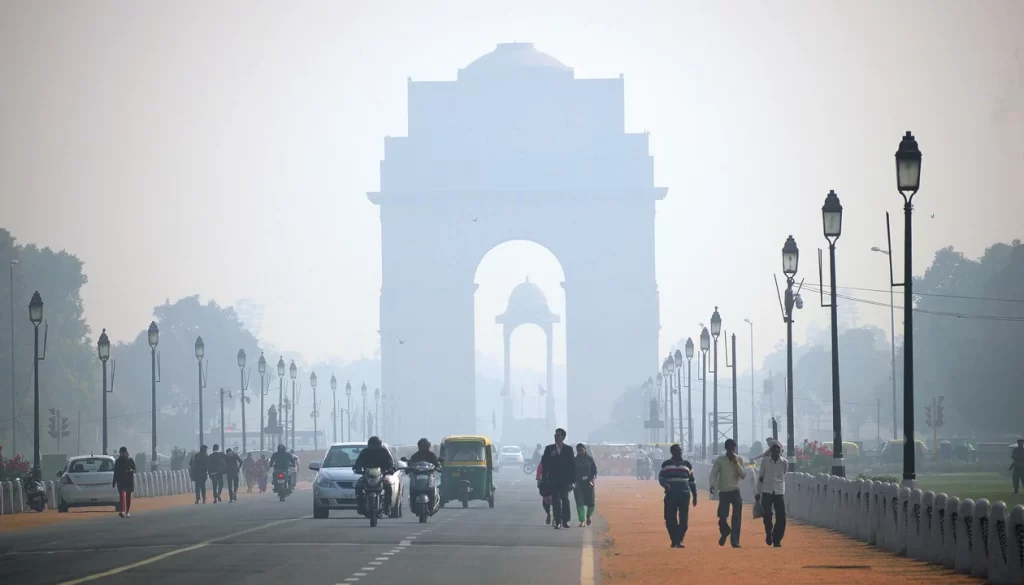
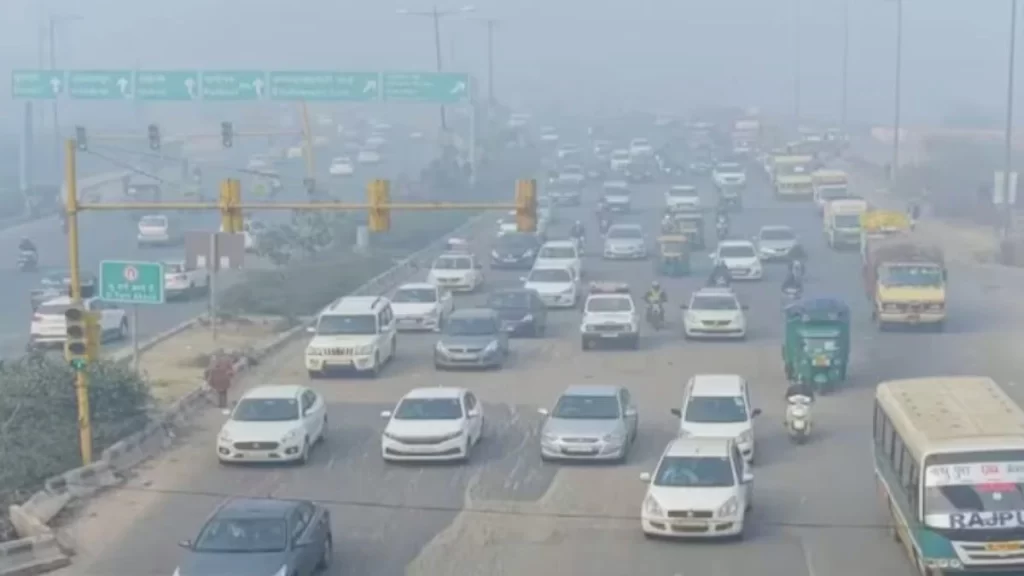
Today air pollution in Delhi NCR has reached critical levels resulting in (i) numerous adverse health effects, (ii) significant economic burden on the Delhiites, and (iii) generated international notoriety for Delhi NCR’s poor air quality. Many prestigious organizations and scholarly individuals have conducted modeling and data evaluation studies on this topic. The government has also instituted several remedial strategies. Each remedial measures has helped, but the problem remains. Thus, there is a dire need to develop a cost-effective, pragmatic, implementable “Desi Plan” and implement it NOW. This paper will discuss the complexity of the problem and present a “Desi Solution” to solve this “Desi Problem”. It is anticipated that the air quality in Delhi will improve by orders of magnitude over the next five years with monthly measurable improvement. Key elements of the plan include the establishment of (i) a dedicated responsible organization, (ii) application of a combination of proven technologies, (iii) real time monitoring with appropriate response actions, (iii) public participation and (iv) public education. Upon achieving success in Delhi NCR, the program could easily be extended nationwide.