Indian International Conference
on Air Quality Management
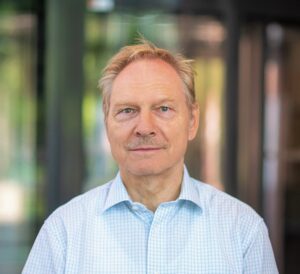
Prof. Uwe Schlink
Helmholtz Centre for Environmental Research – UFZ
About the Speaker
Prof. Uwe Schlink
Prof. Uwe Schlink working at the Department of Urban and Environmental Sociology of the Helmholtz Centre for Environmental Research (UFZ) in Leipzig, Germany, Uwe Schlink is Professor at the University of Leipzig, Institute of Meteorology. His research topics are “Urban climate and personal exposure”, which includes adaptation strategies to climate change, urban air quality, environmental health effects, and vulnerability with extreme environmental situations in urban areas.
He has published more than 100 articles in peer-reviewed international journals. Uwe is an adjunct faculty at the Dept. of Civil Engineering of the Indian Institute of Technology Madras in Chennai and a fellow of the Institute of Advanced Studies at Durham University, UK.
About the Speaker
Prof. Uwe Schlink
Prof. Uwe Schlink working at the Department of Urban and Environmental Sociology of the Helmholtz Centre for Environmental Research (UFZ) in Leipzig, Germany, Uwe Schlink is Professor at the University of Leipzig, Institute of Meteorology. His research topics are “Urban climate and personal exposure”, which includes adaptation strategies to climate change, urban air quality, environmental health effects, and vulnerability with extreme environmental situations in urban areas.
He has published more than 100 articles in peer-reviewed international journals. Uwe is an adjunct faculty at the Dept. of Civil Engineering of the Indian Institute of Technology Madras in Chennai and a fellow of the Institute of Advanced Studies at Durham University, UK.
Abstract
EMPOWERING PEOPLE WITH KNOWLEDGE ABOUT THEIR EXPOSURE TO AIR POLLUTION
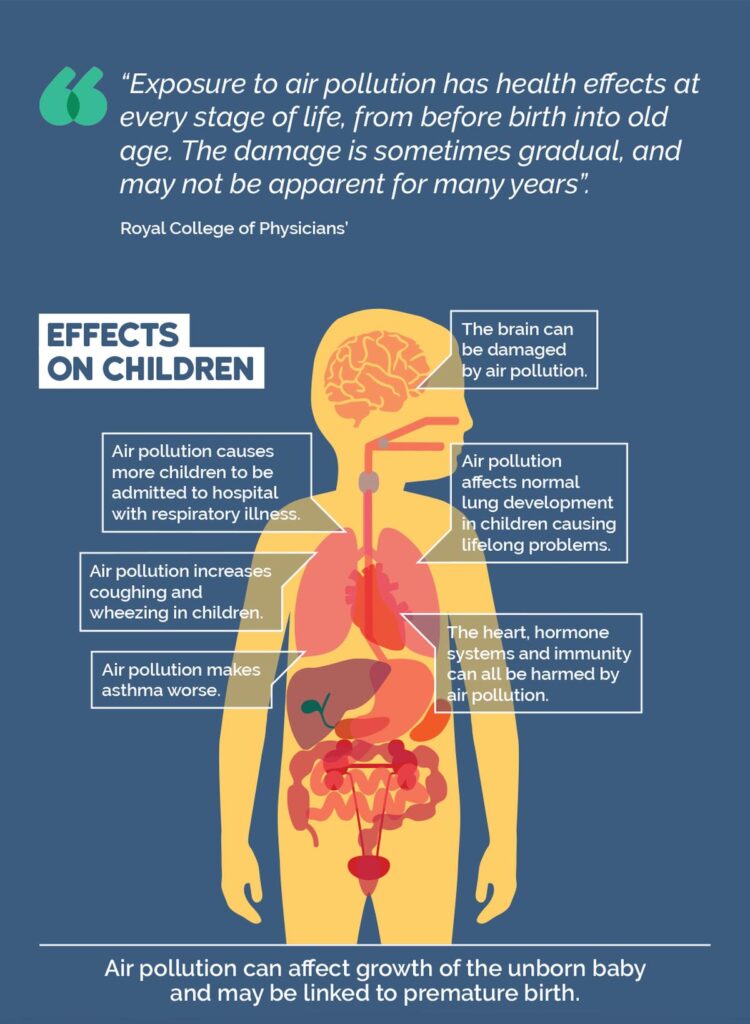
People’s exposure to heat and air quality in cities is unevenly distributed among city dwellers resulting in intersectional inequities and it is expected to worsen as a result of climate change. Air pollutant as well as CO2 emissions are concentrated in cities, and so are the effects of climate change. Every individual (a) contributes to emissions through her/his behaviour and (b) suffers from exposure to heat and pollutants with adverse health consequences.
As individuals play a key role in this scenario, it is important to assess their exposure and individual burden. We discuss smart techniques for measuring personal exposure and simulating urban environmental conditions with high spatial resolution that can be incorporated into a digital twin. We show how this approach can be used to understand, visualise and adapt personal behaviour towards a net-zero world and to bridge the gap between urban research and environmental justice
IIT Madras
Contact Prof. S. M. Shiva Nagendra, Professor, Department of Civil Engineering, Indian Institute of Technology Madras.